Worried your toddler might not benefit from a doodle pad or that your older child will lose interest? Here’s how the right doodle pad fits every age.
Doodle pads are suitable for children as young as 2 or 3 years old up to teens, supporting early scribbling, creative drawing, and handwriting development—all in a safe, mess-free way.
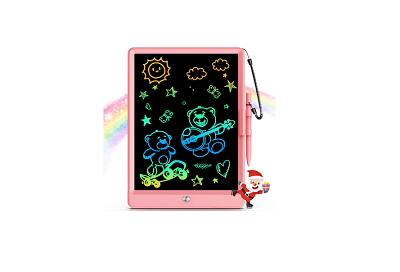 kids using doodle pads
Parents and teachers often ask: can little hands use these pads, and will bigger kids find them engaging? Let’s explore age-by-age uses and the features that make doodle pads the ultimate tool for creative play and learning.
Is a doodle pad safe for toddlers and preschoolers?
Worried about safety hazards and whether your little one can actually use a tech toy? Let’s clear up those concerns.
Most doodle pads are designed for ages 2 to 5, featuring chunky styluses, durable screens, and non-toxic materials—perfect for toddlers and preschoolers learning to draw and write.
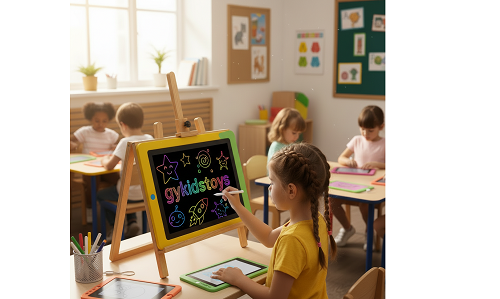 toddler doodle pad safe
Dive deeper:
At this age, children are developing hand-eye coordination and basic motor skills. Doodle pads encourage scribbling and drawing without messy markers or risk of paper cuts. Look for rounded edges, easy-press erase buttons, and a stylus that’s large enough for small hands. The table below breaks down key features to check for:
| Age Group |
Doodle Pad Features |
Parental Tips |
| 2-3 years |
Chunky stylus, simple erase |
Supervise for safety |
| 4-5 years |
Larger screen, reinforced corners |
Encourage writing |
Parents can rest easy—these pads are safe when age-appropriate models are chosen.
Are doodle pads stimulating enough for older children and pre-teens?
Feeling unsure if your 6-year-old or tween will get much out of a basic doodle pad? Here’s what you need to know.
Doodle pads remain popular with kids ages 6 to 12, offering advanced drawing, note-taking, and even math practice as their needs grow and abilities advance.
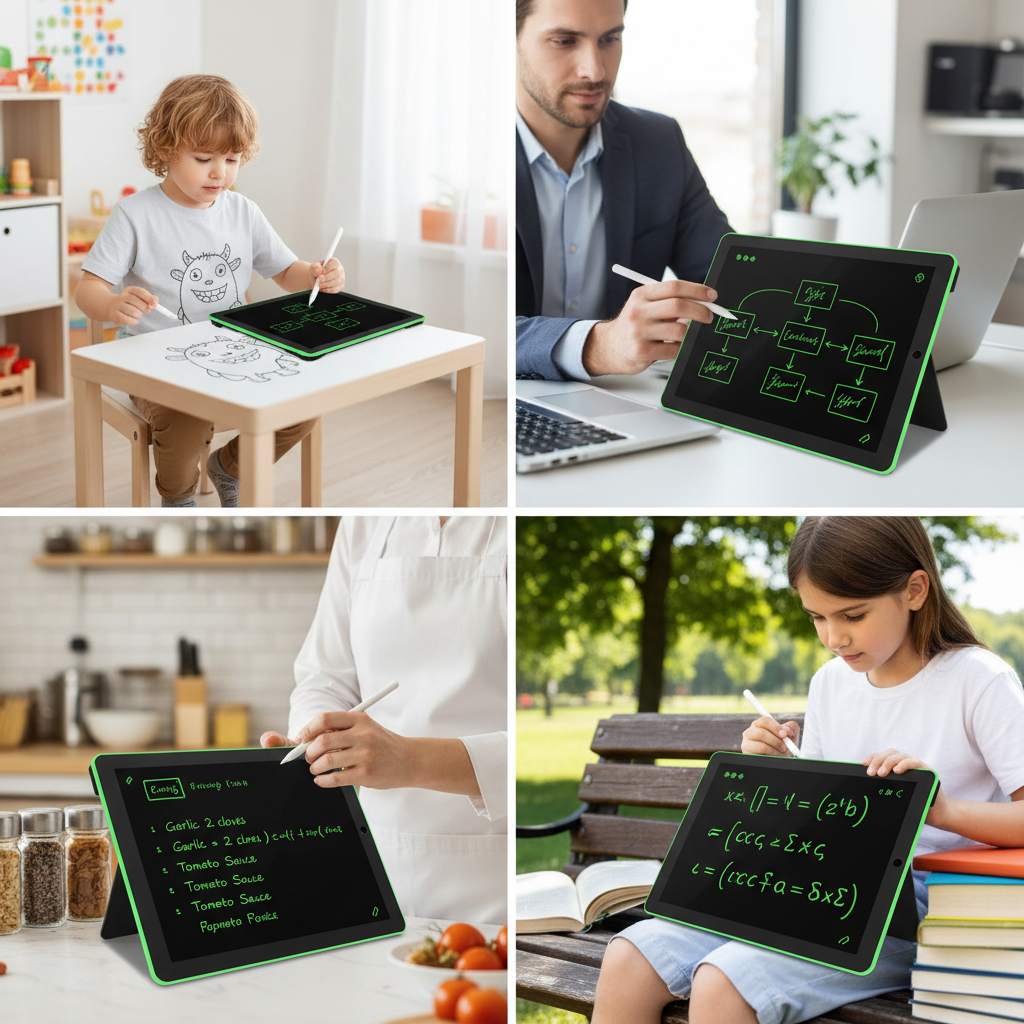 older kids using doodle pads
Dive deeper:
Kids in elementary and middle school can use doodle pads for sketching, spelling practice, diagrams, and homework. Advanced pads may include pressure sensitivity, lock features, or partial erase options. Choosing the right tablet stimulates creativity without screens or distractions. Here’s a more structured comparison by age and features:
| Age Group |
Recommended Features |
Use Cases |
| 6-8 years |
Larger screen, finer stylus |
Spelling, math, drawing |
| 9-12 years |
Lock button, partial erase |
Homework, brainstorming |
Doodle pads keep older kids engaged while supporting eco-friendly learning.
Can doodle pads benefit teens or adults?
Wondering if these simple pads have any place in a teen’s life or adult workflow? You might be surprised.
Teens and even adults can use doodle pads for quick notes, brainstorming, and sketching, especially when a fast, mess-free solution is needed.
 teen using doodle pad
Dive deeper:
Beyond art class, teens use doodle pads to jot ideas, draft stories, or plan homework schedules. Adults might keep one handy for to-do lists or meeting notes. At these ages, designs with sleeker screens and finer styluses make a difference. See the table here:
| Age Group |
Advanced Features |
Typical Uses |
| 13+ years |
Slim stylus, large screen |
Scheduling, quick sketches |
| Adults |
Portable, erase lock |
Notes, task lists |
For busy families—one doodle pad suits every member’s needs.
Conclusion
Doodle pads are safe and engaging for ages 2 and up, from toddlers to adults, making them a versatile tool for learning, creativity, and everyday organization.